From observation to shared knowledge
We work in the field
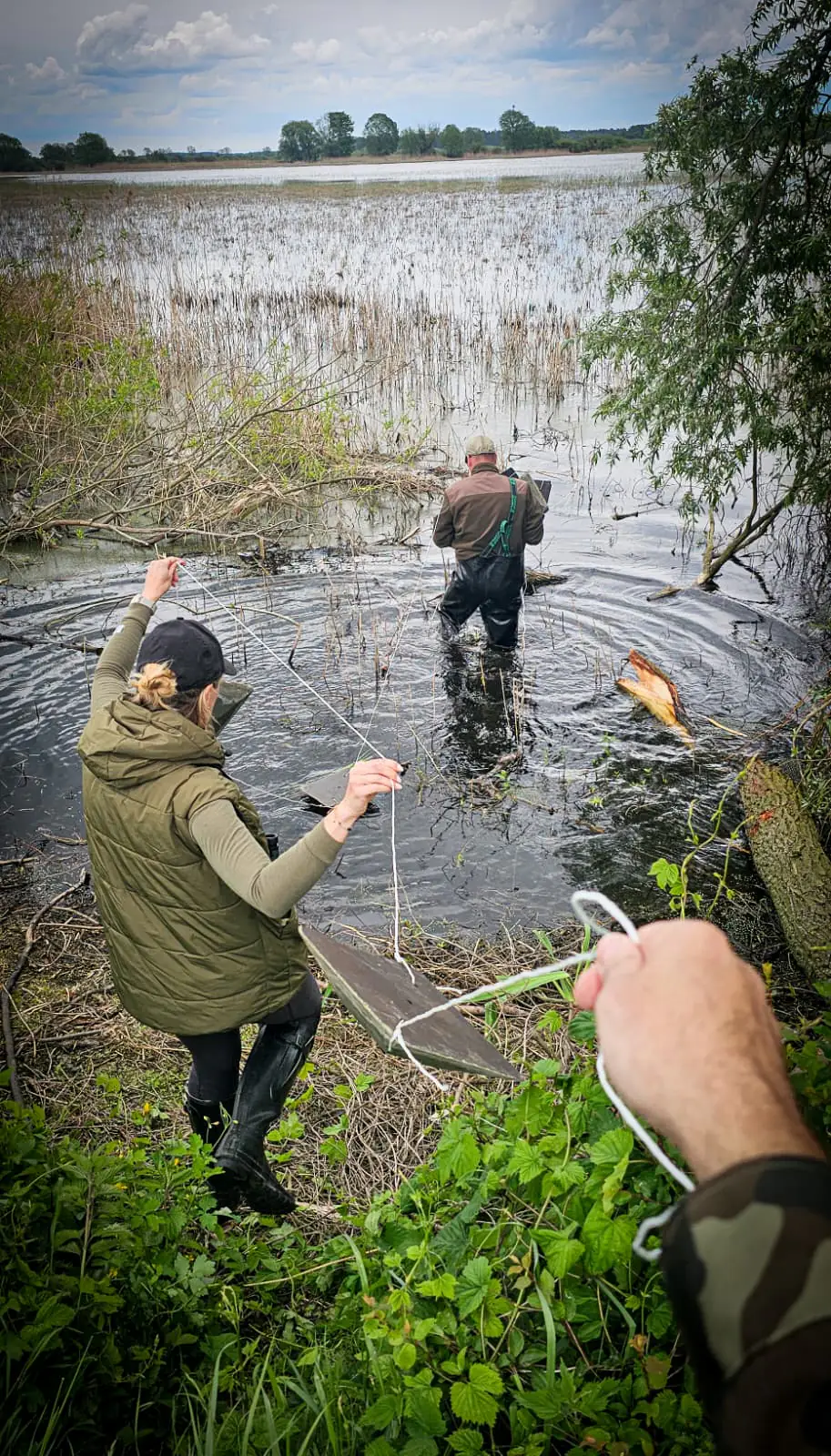
Building and installing reed nesting platforms for black terns shows how we combine knowledge, teamwork, and active conservation.
Research, publishing, and help
Research programme
Research projects within the Association
Bird Valley research projects are carried out within the Association. They include responsible field observations, citizen science, biodiversity records, and public communication of results with methods and sources clearly described.
See current projectsPublishing programme
A magazine of naturalists' voices
We will develop the Bird Valley nature magazine from texts by naturalists published in the Reading Room — a carefully edited selection of observations, essays, field knowledge, and regional stories.
Read Valley VoicesHelp directory
A directory of wildlife rescue organisations
We maintain a public directory of organisations that help wild animals: rehabilitation centres and places that officially take in injured, weakened, or orphaned wildlife. The official GDOŚ register is the starting point, but we publish only centres with a current phone number and confirmation that they accept animals. A short first-response guide sits beside the list — how to assess the situation, when not to take a young animal, and how to call for help without making things worse. We do not replace the emergency services or the centre itself; we help people find the right contact quickly. The directory is always available from the site header, under the red “Help” button.
Open Wildlife emergencyOther forms of activity
In the field
Walks, trips, meetings, demonstrations, and community actions carried out with respect for nature.
Education
Talks, workshops, and activities for children, young people, and adults — in person and online.
Resources
Articles, photographs, films, recordings, stories, cards, games, maps, and nature infographics.
Events
Participation in local festivals, picnics, fairs, and educational and nature projects.
Citizen science
Shared observations of animals and plants and records of biodiversity change.
Partnerships
Cooperation with schools, libraries, cultural centres, local authorities, institutions, and civic organisations.
We will describe every activity clearly: who leads it, who it is for, how to participate, and — where relevant — how it is funded.