Total Immersion in the Barycz Valley – from the red deer rut to dawn at the Milicz Ponds
Intimate nature experiences with Ptasia Dolina. The story of an autumn weekend during which we could devote our full attention to two guests — and to the wildlife surrounding us on every side.
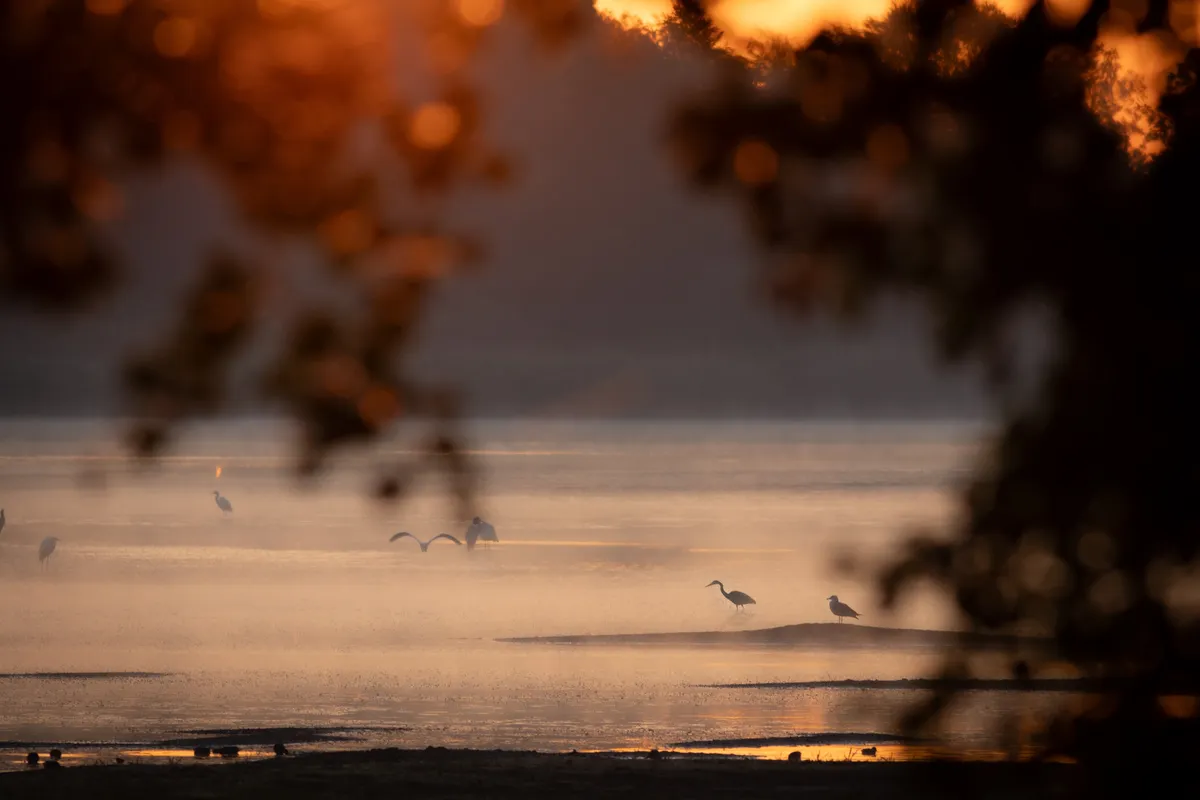
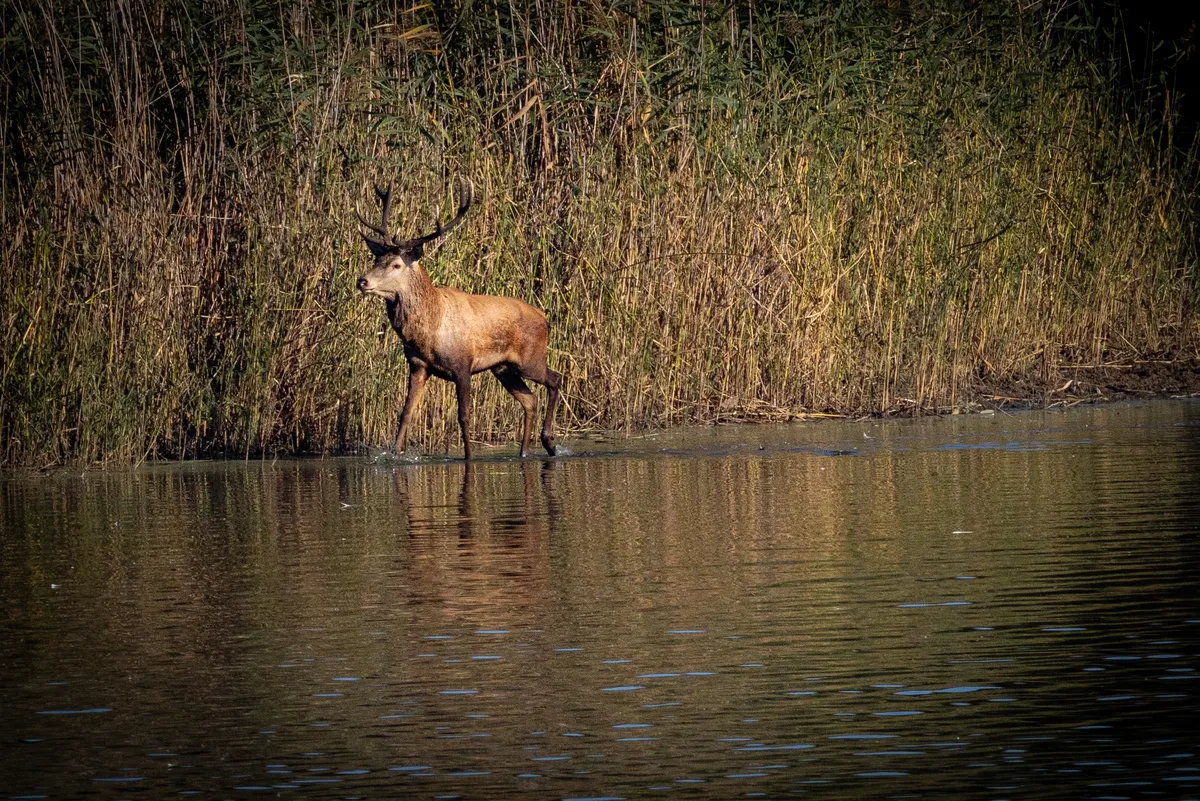
First came the Great Egrets. Then the calls of red deer began to echo from so many directions that it was difficult to decide where to look. Antlers appeared above the reeds. The following morning, the same valley was wrapped in mist, while the first rays of sunlight illuminated the water where egrets, Greylag Geese and swans were feeding.
This was one of our September weekends in the Barycz Valley. We spent it with two guests during our “Total Immersion” experience — an outing where there is time to look carefully, talk, take photographs and remain in one place for as long as something beautiful continues to unfold there.
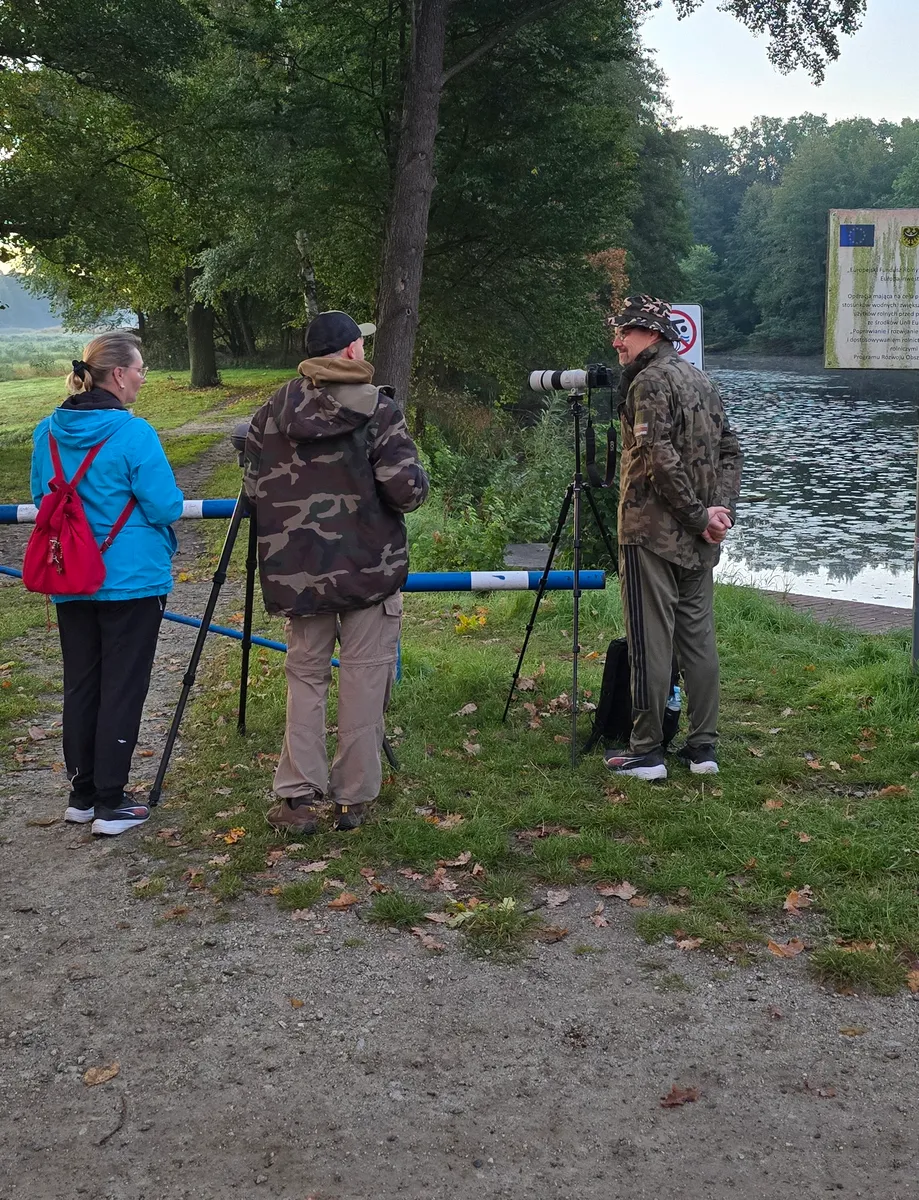
These are the moments we especially love when running Ptasia Dolina. We can show someone a landscape we ourselves adore and experience it together, without rushing. Stop beside a hunting egret. Wait for the light to change. Explain why so many birds have gathered on one particular pond. And sometimes simply fall silent because the red deer rut has begun all around us.
If you dream of a weekend in the Barycz Valley, a close encounter with nature, birdwatching at the Milicz Ponds or an intimate wildlife photography experience, we would love to show you what such a trip can look like. This single weekend captures beautifully what we mean by immersing yourself in nature.
Two people and time to be amazed
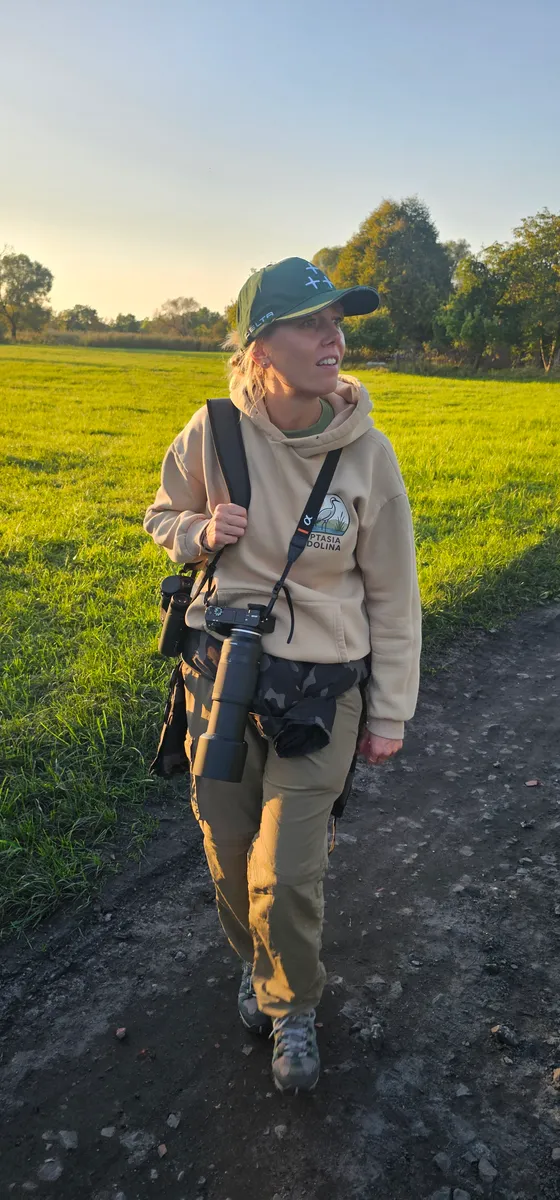
A small group makes a very real difference in the field. When only two people join us, we can genuinely get to know their interests. We can discover what fascinates them most, what experience they already have observing wildlife and what kind of encounter they had been dreaming about while planning their visit.
For one person, the most important thing might be photographing a bird in beautiful light. Another may want to watch animal behaviour, understand their everyday lives or simply spend some peaceful time beside the water. In such a small group, it is much easier to make room for both. There is time to adjust the focus, find the bird among the reeds again and answer every question that comes up along the way.
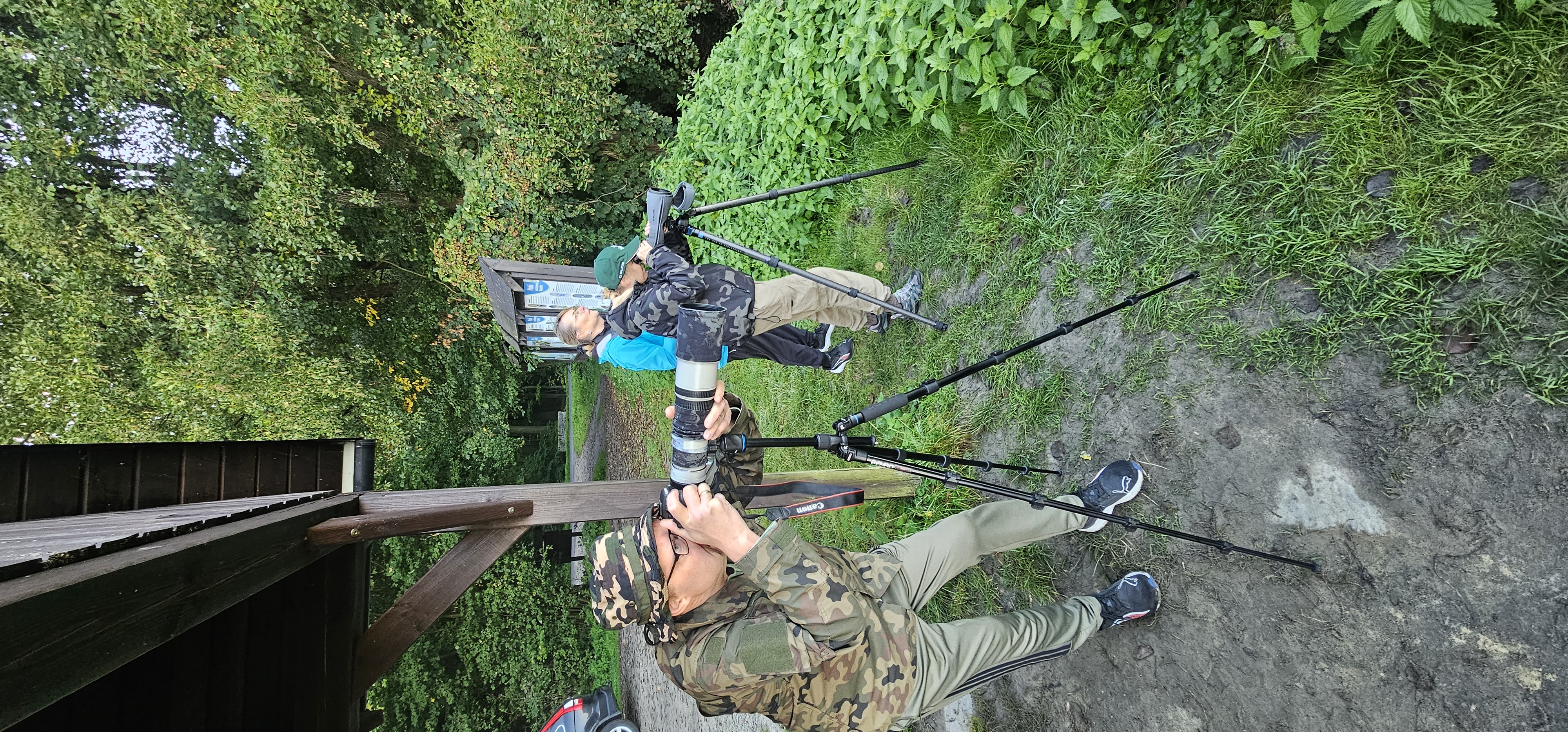
During this weekend, we were able to devote our full attention to our two guests. Together, we followed whatever was happening around us, and each new observation became another part of the story of the autumn valley. With every passing hour, more details emerged: hunting techniques, sounds, silhouettes and the relationships between water levels and the presence of birds.
This is exactly why we value private guided nature walks so highly. They allow us to stop and spend time with something that turns out to matter deeply to a particular person. Even if it is an egret or heron that someone else might consider an everyday sight. A first truly attentive encounter with such a bird can remain in your memory for a very long time.
Saturday evening and hunting Great Egrets
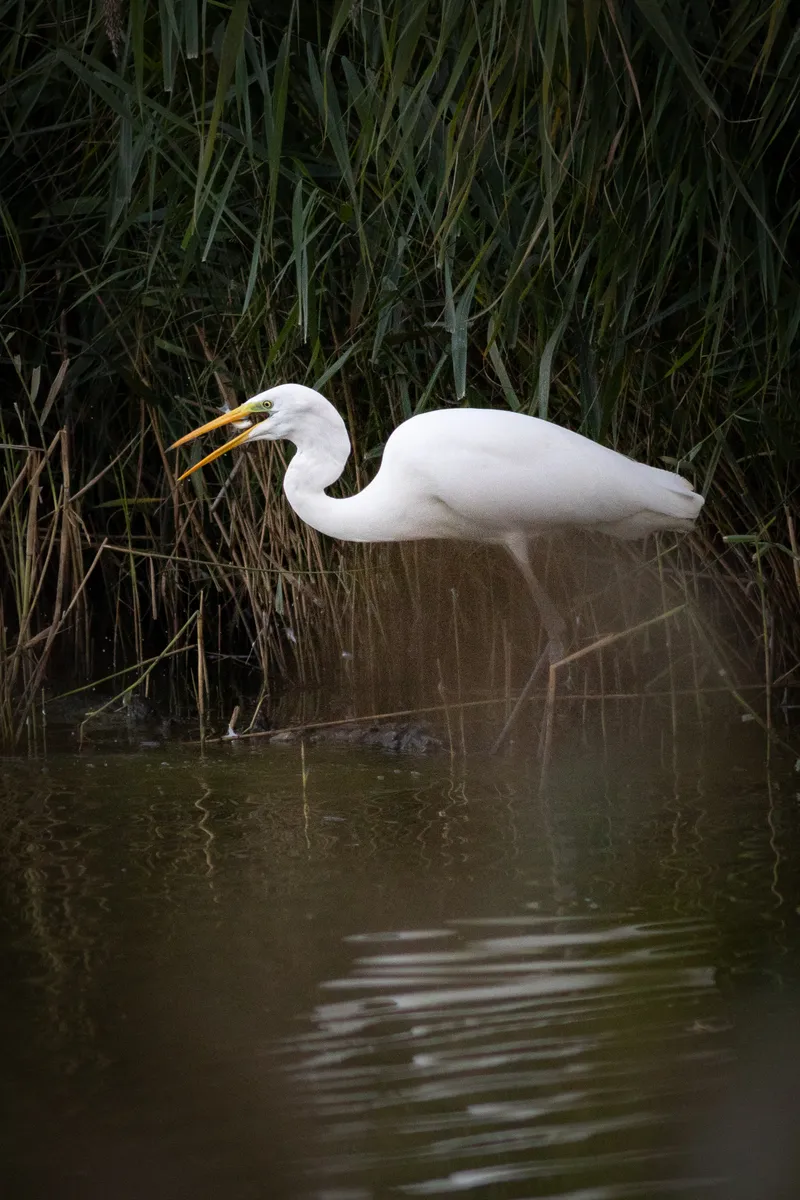
We began by watching Great Egrets. In the autumn landscape, their silhouettes immediately catch the eye: bright, slender and clearly outlined against the water and reeds. Stay with them a little longer, however, and beyond the beauty of the scene you begin to notice the tension of the hunt.
An egret can appear completely motionless. You start paying attention to the details: the position of its neck, the direction of its bill, the precise spot on which the bird is focusing. Within this apparent stillness lies an entire story of waiting. And when the movement finally comes, it suddenly becomes clear why all that patience was necessary.
That evening, we could give the egrets exactly that kind of attention. Admire them within the landscape and follow their behaviour. For us, it is one of the most beautiful ways to begin an outing: the moment when the pace of observation starts to match the pace of the animal itself.
Birdwatching in the Barycz Valley can be deeply rewarding even when we are observing species that are relatively easy to find. The Great Egret possesses an extraordinary elegance, and watching one hunt reveals its remarkable precision as well. An encounter like this can easily last far longer than you initially expected.
The red deer rut in the Barycz Valley and stags hidden among the reeds
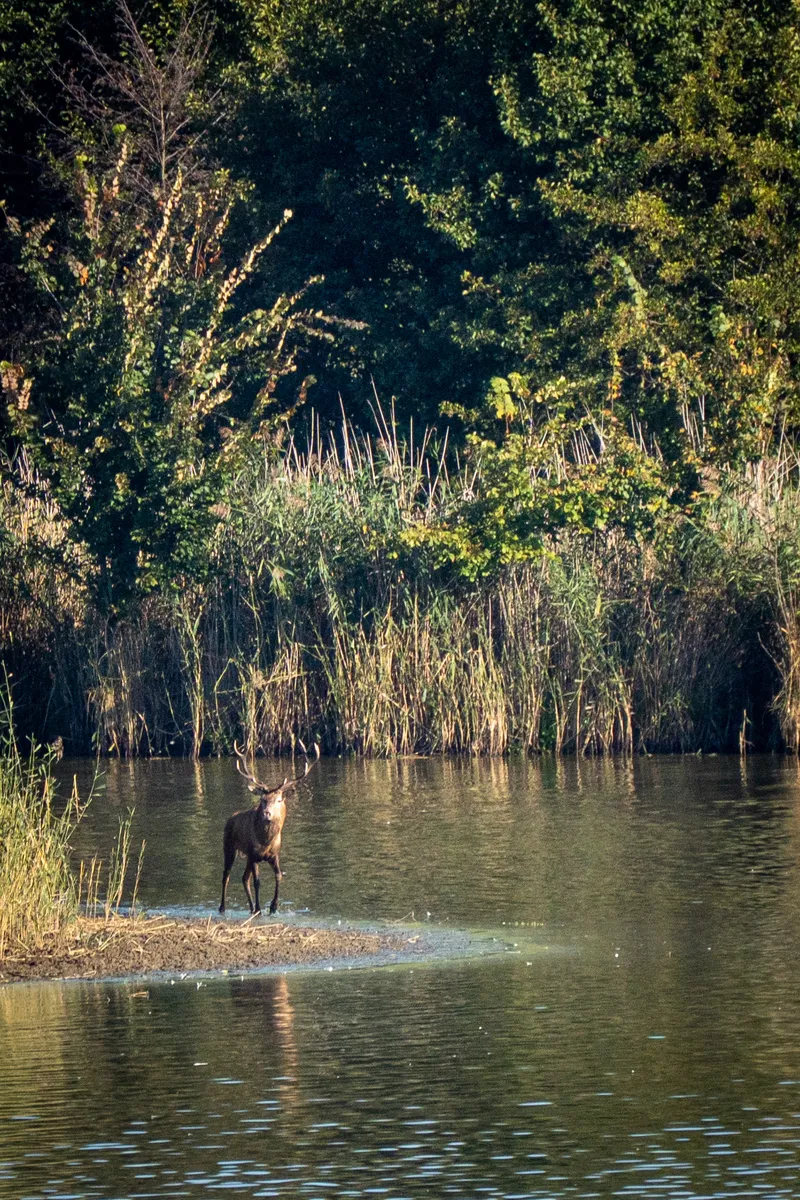
Later, the valley began to resonate with the calls of red deer.
Many animals were calling from different directions. One roar after another drew our attention, followed by answers emerging from a landscape that, only moments earlier, we had been experiencing mainly through our eyes. Now hearing became just as important. You could stand in one place and still feel how much was happening all around you.
Above the reeds, we could make out antlers. That small fragment of an animal's silhouette was incredibly evocative: a powerful stag remained largely hidden, its presence revealed only by its voice and the outline of its antlers. The reeds concealed the rest of the scene. At moments like this, every movement commands your attention.
The rut is the mating season of the Red Deer. The powerful calls of the stags form part of their breeding competition and, in Poland, are most strongly associated with September. The intensity and course of the rut, however, vary depending on conditions and the activity of the animals.
That evening, we could experience the scale of this phenomenon together. The calls seemed to surround us from almost every direction. It is difficult to capture an experience like this in a photograph because such an important part of it exists in space and sound. You need to hear one call, then another, and wait for the response.
The autumn red deer rut in the Barycz Valley is one of the reasons it is worth considering an outing that extends into the evening. When watching deer, calmness and distance matter enormously. These encounters are at their most beautiful when the animals are free to continue with their own lives while we remain attentive guests in their world.
Dawn at the Milicz Ponds and a valley glowing through the mist
The following day, we returned to nature at dawn. After the excitement of Saturday evening, an entirely different side of the Barycz Valley awaited us.
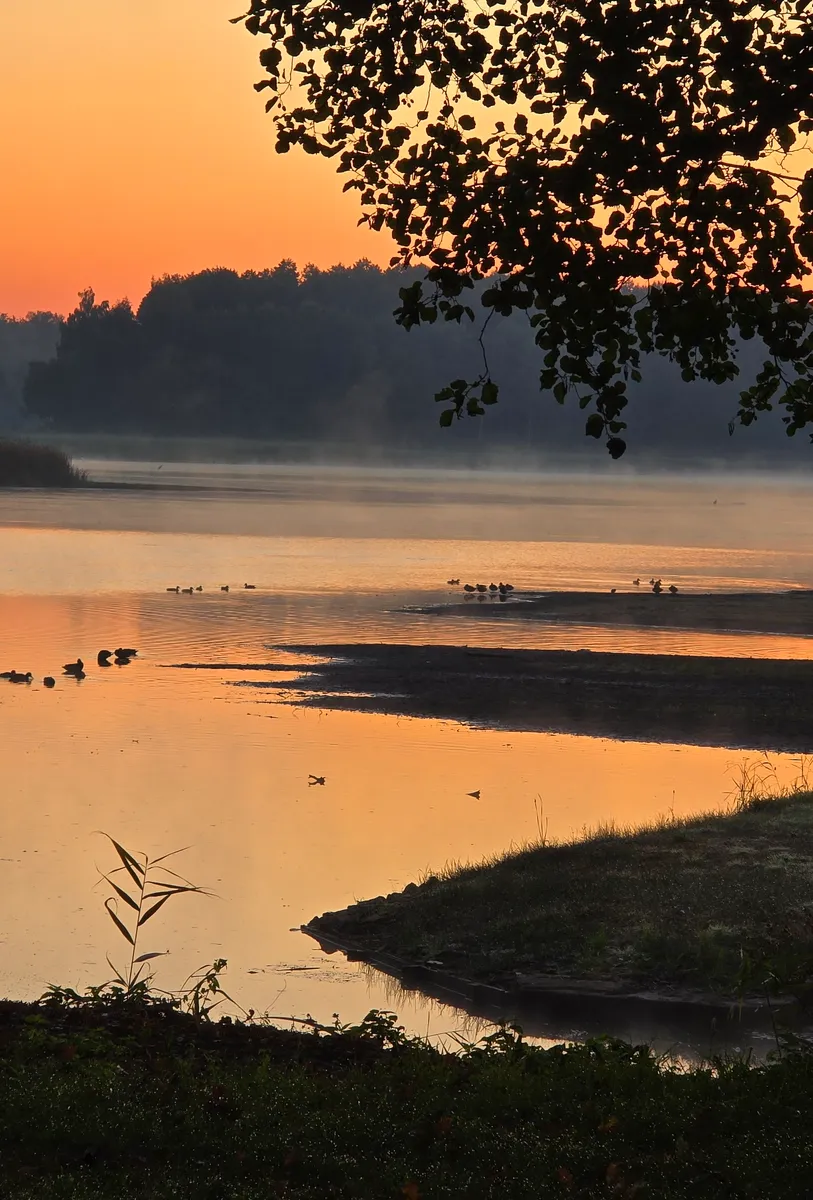
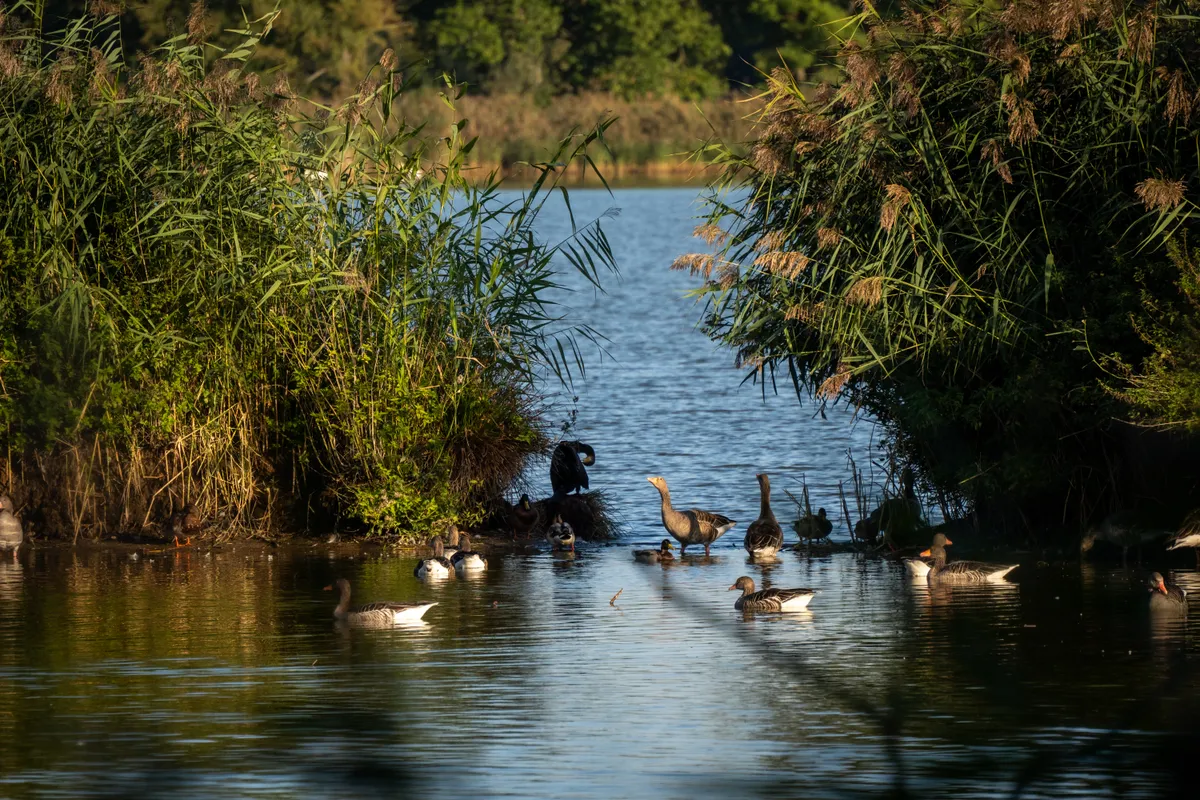
Mist hung above the water. Great Egrets and Grey Herons fed among Greylag Geese and swans, while the first rays of sunlight filtered through the milky veil. Everything farther away took on soft outlines. Birds filled the landscape with movement, yet the mist gave the entire scene an extraordinary gentleness.
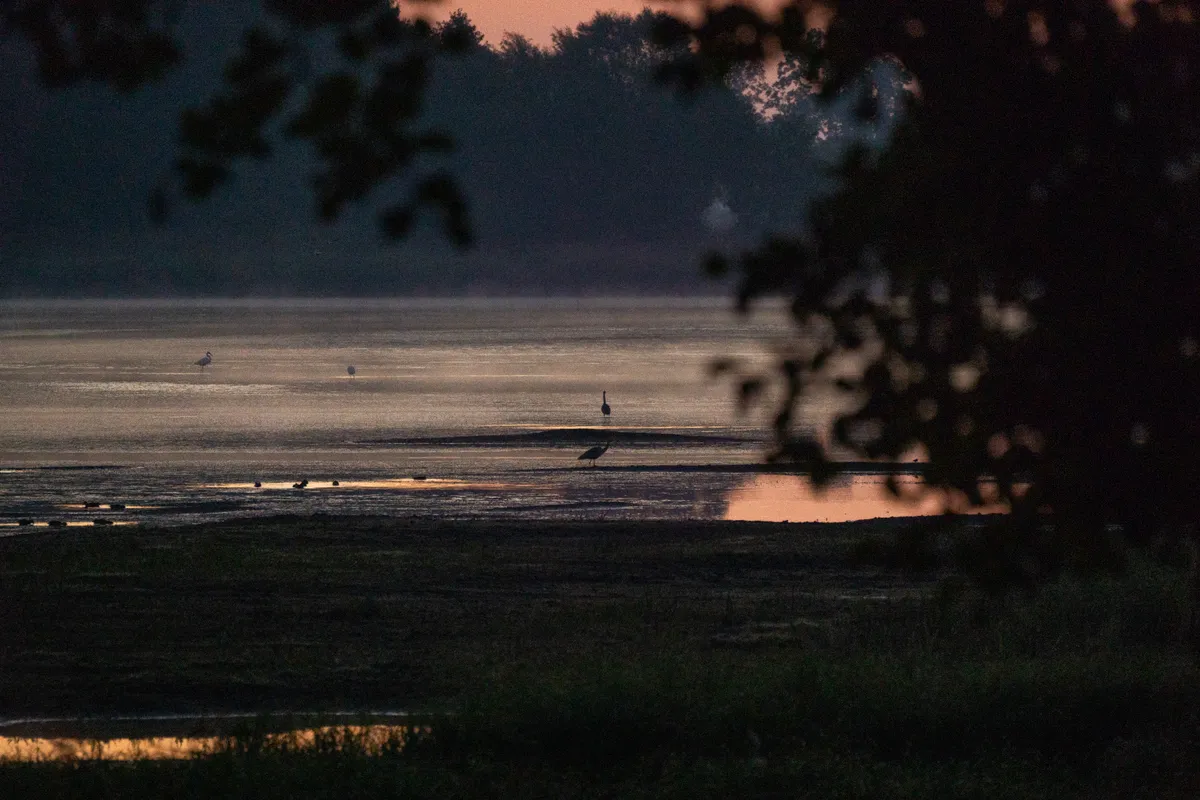
There was something about this view that made you want to stay. First watch a single egret, then let your eyes wander across a broader part of the pond. Notice how birds with such different silhouettes coexist within the same landscape. The white of the egrets and swans, the greys of the Greylag Geese, the darker lines of the reeds — all of it brought together by the light of the rising sun.
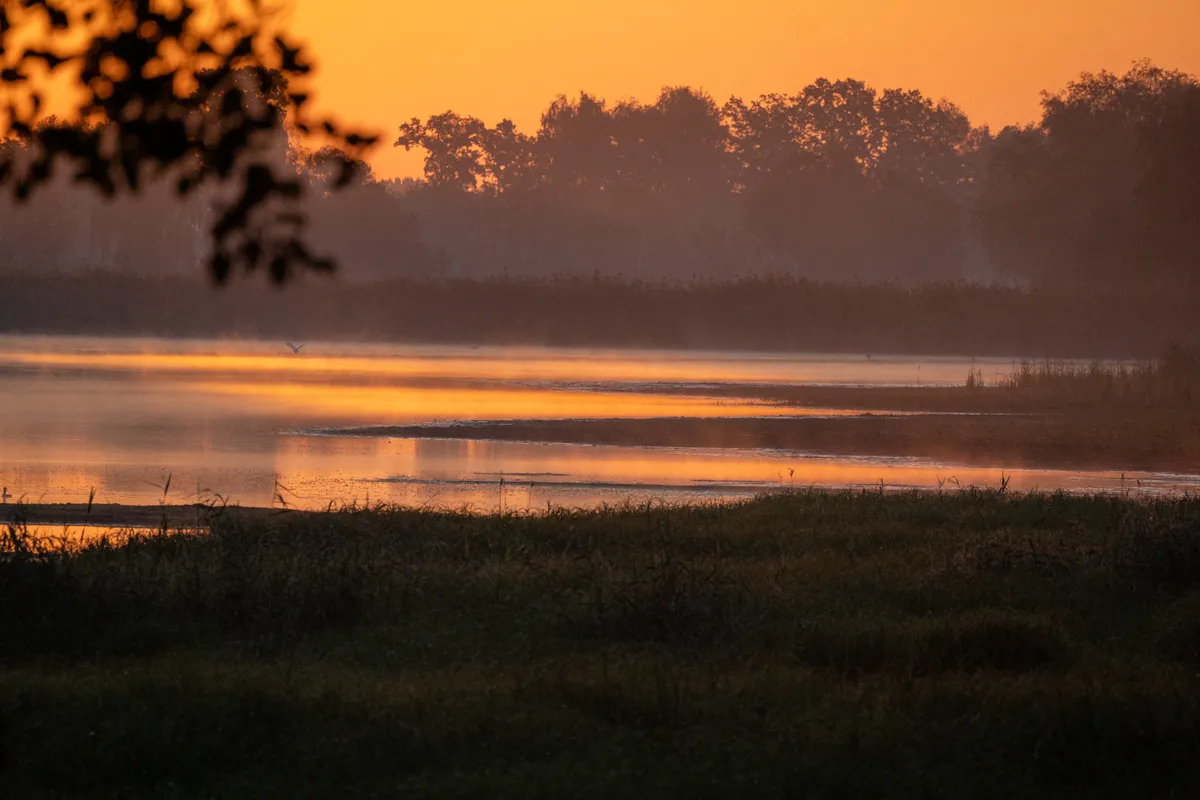
Mornings like this are especially beautiful for people who enjoy wildlife photography and photographing birds in the mist. The landscape offers countless possibilities, from a wide view across the pond to a single silhouette emerging from the bright background. Sometimes the most interesting part of the scene turns out to be something that looked completely ordinary only moments before. The light changes — and suddenly it becomes difficult to look away.
There is just as much to experience through binoculars, or simply by looking out across the landscape. Getting up early suddenly has a very tangible purpose. You are there during that brief part of the day when the valley reveals a view that may disappear completely a little later.
During our Sunday dawn outing, that was exactly how we felt: as though we were taking part in something fleeting. The mist, the first rays of sunlight and the feeding birds came together in a single moment. And we had enough time to notice it and remember it.
Autumn gatherings of herons and ponds full of life
After our morning observations, we continued farther into the valley. The next locations brought us enormous mixed gatherings of Grey Herons and Great Egrets.
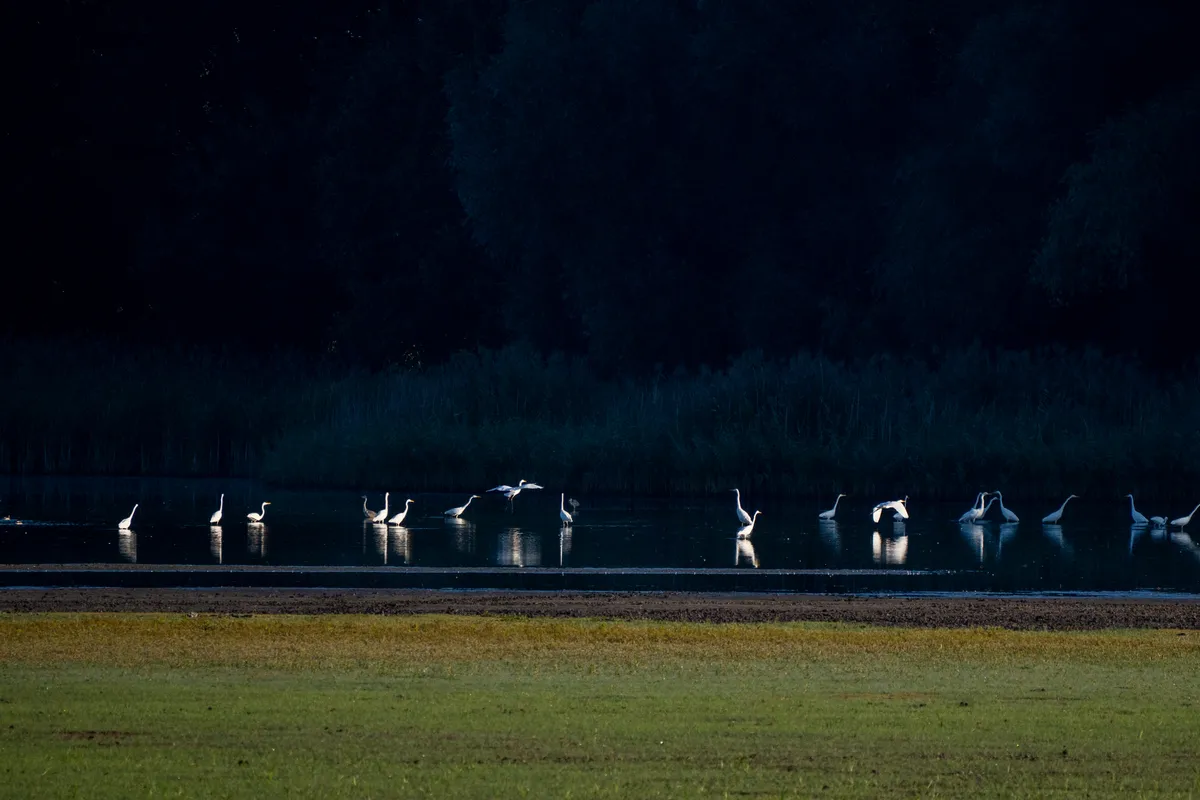
An encounter with a single heron allows you to focus on its movements and appearance. When there are many birds, another kind of pleasure appears: you can compare them directly, move your gaze from one silhouette to another and observe the entire gathering. Bright and grey figures formed patterns across the pond that held our attention for a long time.
Autumn reveals particularly clearly how closely the natural world of the Barycz Valley is connected with traditional fishpond management. Preparations for fish harvests and the lowering of water levels change feeding conditions. Places that previously held deeper water become shallows and exposed areas of pond bottom. For many birds, this creates entirely new opportunities to find food.
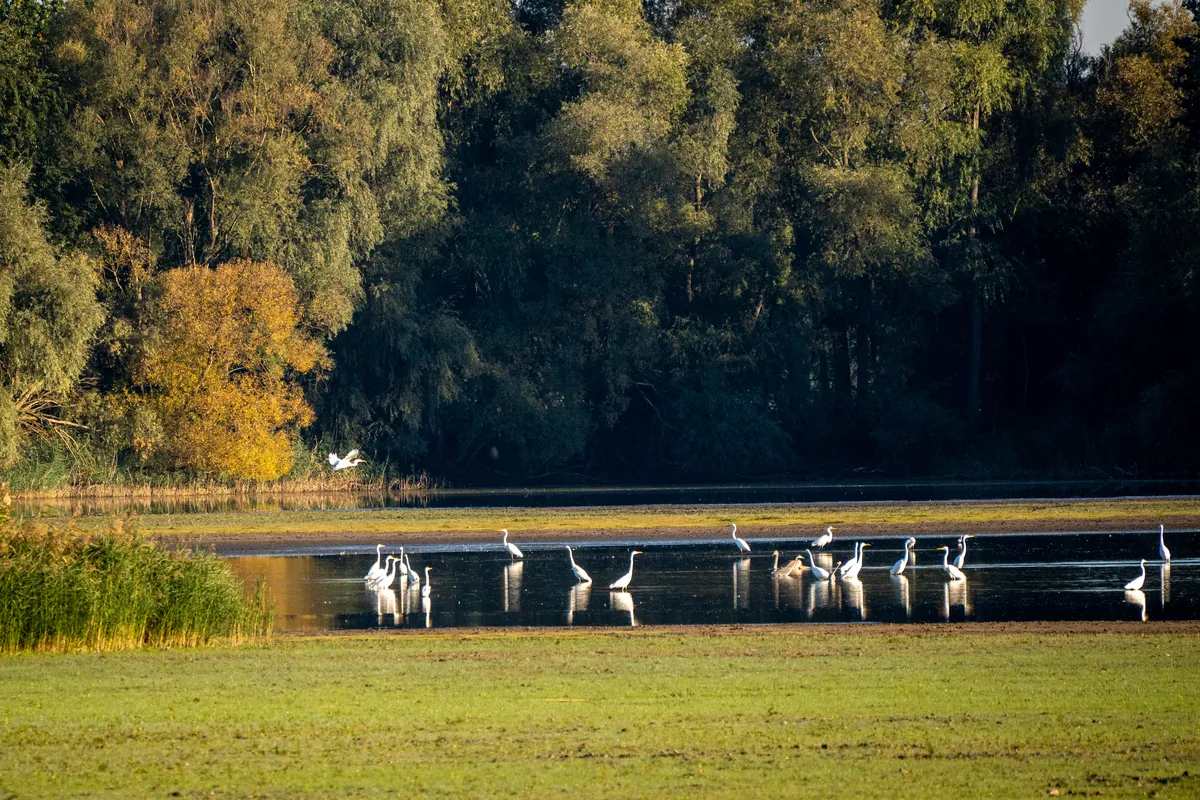
As a result, autumn birdwatching at the Milicz Ponds can be remarkably varied. It is worth looking not only at the animals themselves but also at their surroundings: the depth of the water, the availability of muddy margins and the distribution of reedbeds. These details help explain why wildlife can become so concentrated in one particular place.
This is also one of the reasons we love returning to the ponds. A familiar landscape can change so much over the course of a season that it invites you to look at it closely all over again. During our outings, we share that curiosity with our guests.
Waders and autumn migration in the Barycz Valley
On ponds partially drained in preparation for the fish harvest, we also observed waders — birds that fit perfectly into the autumn story of migration.
After the impressive herons and egrets, it was time to scan the exposed pond bottoms and shallows more carefully. During observations like these, subtle differences become especially important: body proportions, bill length and the way a bird moves. From a distance the landscape may appear quiet, but after watching for a while, more and more birds emerge, each busy feeding.
Autumn migration turns the valley into a meeting place for countless avian journeys. The ponds provide migrating birds with places to rest and feed. So what for us is an enjoyable observation during a weekend outing is, for them, one small part of a much longer journey.
Being aware of that scale adds another layer of meaning to these moments. We see a tiny bird on a muddy shoreline and suddenly begin thinking about distances, seasons and places we ourselves may never visit. Birdwatching in the Barycz Valley has a wonderful way of expanding your perspective far beyond a single pond.
A Common Buzzard on a branch and a lesson in attentive observation
Among our next encounters was a Common Buzzard watching for prey from the branch of a tree.
After broad landscapes filled with birds, our attention narrowed to a single silhouette. We could study the raptor, its posture and its alertness. There is a particular kind of concentration that comes with observing a perched bird: very little may change for quite some time, and yet it remains difficult to stop watching.
We especially enjoy showing encounters like this to people who are only beginning to discover nature outings. An animal spotted from a car can become little more than a fleeting image through the window. On a walk, you can remain with it for longer and give the encounter an entirely different significance.
The buzzard complemented our story of the valley beautifully. It reminded us how much is happening not only on the ponds themselves, but also around them and above their shores. Every now and then, it is worth lifting your eyes from the water to the trees — and then higher still.
Stawno and the intricate architecture of a Eurasian Penduline Tit nest
During a walk along the dyke at Stawno, we stopped beside the nest of a Eurasian Penduline Tit. After the calls of red deer, great flocks of birds and sweeping morning landscapes, it was time to marvel at something small.
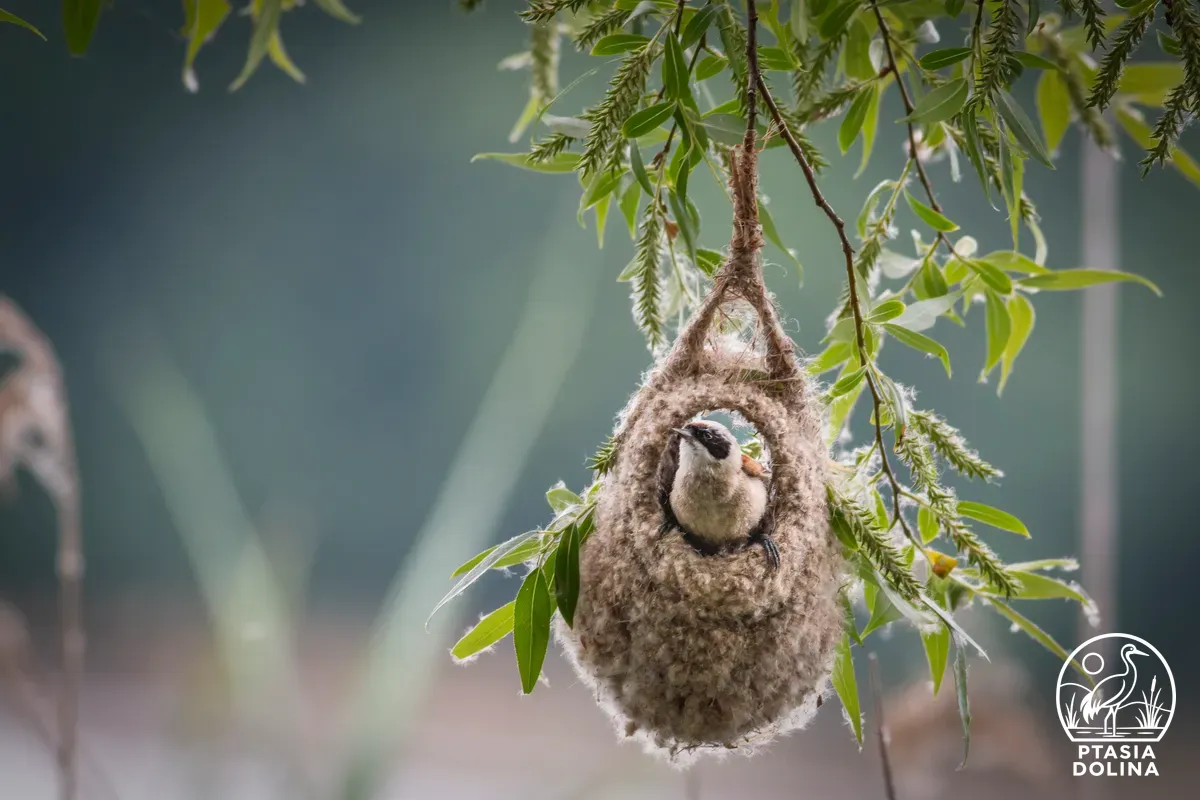
Eurasian Penduline Tit nest in spring
A Eurasian Penduline Tit nest resembles a soft pouch suspended from a branch. Plant fibres and down form an intricate structure whose very shape immediately inspires curiosity. Penduline Tits use, among other materials, the fluffy fibres of plants growing in wetland habitats, and their nests are among the most distinctive structures built by birds.
We looked closely at the completed nest and its craftsmanship. You only need to think about the size of its builder to see this little structure in a completely different way. Every fragment of it was gathered and woven together by a tiny bird.
Moments like these turn a nature walk into an encounter with the ingenuity of the natural world. Large animals attract attention immediately. A nest requires you to stop, have it pointed out and sometimes hear a short story about it. But once you notice it, it becomes difficult to treat it as just another ordinary part of the surroundings.
It is precisely this ability to move from grand landscapes to tiny details that makes exploring the Barycz Valley with local nature enthusiasts so rewarding. A single outing can hold many very different kinds of wonder.
Lesser Spotted Eagle above the valley
During the walk, we also watched a Lesser Spotted Eagle soaring overhead. After examining the nest, we lifted our gaze towards the sky once again.
The presence of a raptor in flight can instantly redirect everyone's attention. You follow its silhouette, its movements and its path above the landscape. For a while, the entire observation takes place high above the spot where you are standing.
The Lesser Spotted Eagle was one of the exceptional encounters of that weekend. Observations like these delight us precisely because they arrive at one particular place and one particular moment. They remain an important memory within the story of the outing — and before the next one, they make us wonder what we might encounter this time.
By then, our guests had already heard the valley filled with the voices of red deer, watched it brighten through the mist and seen ponds crowded with herons and egrets. Now the silhouette of a Lesser Spotted Eagle overhead became another part of the story.
The Barycz Valley on Europe's nature map
Behind all these encounters lies an exceptional landscape. The Barycz Valley, situated along the border of Lower Silesia and Greater Poland, combines vast fishpond complexes with forests, meadows and wetlands. The Barycz Valley Landscape Park protects this diversity, and one of its best-known areas is the Milicz Ponds Nature Reserve.
To watch the video "Great Reed Warbler at the ponds", enable Marketing/Media cookie consent.
The reserve's international importance is confirmed by its designation as a wetland of international importance under the Ramsar Convention in 1995. It is an important area for waterbirds and wetland birds, providing places to feed, rest and breed. Nearly 300 bird species have been recorded across the Barycz Valley Landscape Park — a richness revealed through years of observation across different seasons.
For international visitors, the region is also known as the Barycz Valley, while Stawy Milickie are referred to as the Milicz Ponds. In German-language materials, you may also encounter the names Bartschtal and Militscher Teiche. These are the same landscapes we invite you to discover with Ptasia Dolina: vast expanses of water, dykes and nature changing with every season.
If you are planning a nature-focused journey through Poland, the valley offers an excellent reason to spend a little longer in Lower Silesia. Especially if you are interested in wetlands, birdwatching, wildlife photography and discovering places slowly alongside people for whom these landscapes are part of everyday life.
An intimate photography experience and the pleasure of looking through binoculars
To watch the video "Gathering of birds in the Barycz Valley during autumn migration", enable Marketing/Media cookie consent.
“Total Immersion” is an experience particularly close to the hearts of wildlife photographers. Such an outing creates space to work with the light, patiently observe bird behaviour and search for your own composition. In a small group, it is much easier to focus on what genuinely interests each individual person.
Even the most beautiful subject, however, looks different once you have first taken the time to observe it properly. It is worth noticing how a bird moves through the landscape, which parts of the shoreline it returns to and how the background changes. Time spent observing becomes part of the photographic process itself.
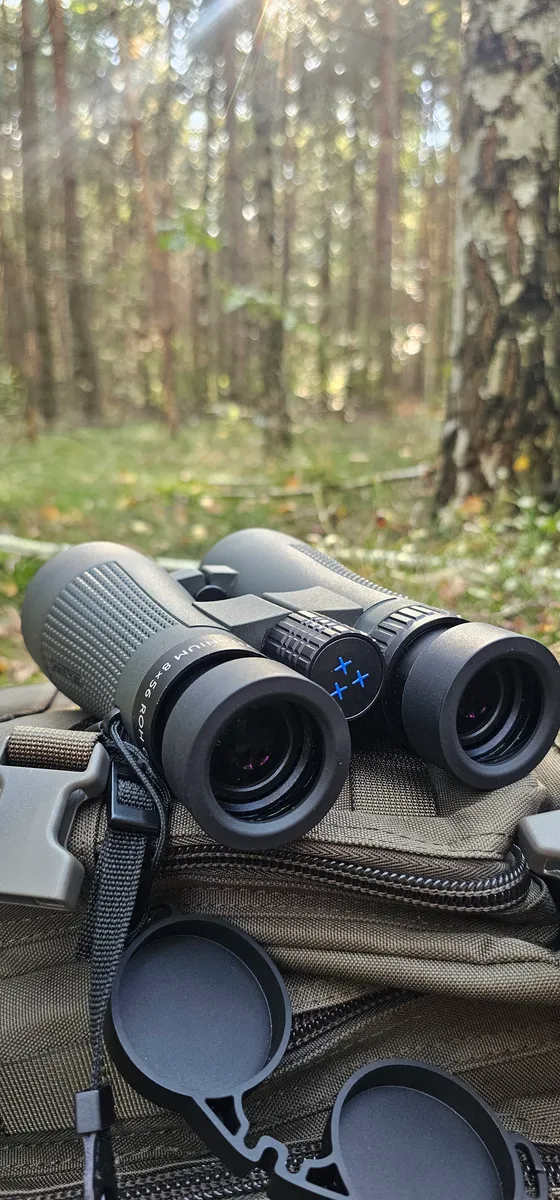
During our walks, we provide optical equipment that allows you to observe wildlife comfortably from an appropriate distance. Binoculars make it easy to follow a broader scene, while a spotting scope reveals details of distant birds. There is something especially rewarding about the moment when someone looks through high-quality optics for the first time and discovers that what appeared to be a tiny speck on the water only moments earlier is suddenly full of detail.
Our partners — Delta Optical and GPO — support us in sharing the beauty of the valley. Thanks to these partnerships, our guests can use high-quality binoculars and spotting scopes during our outings, allowing them to see so much more: subtle details of plumage, the watchful gaze of a heron or a tiny bird feeding far away on the shallows.
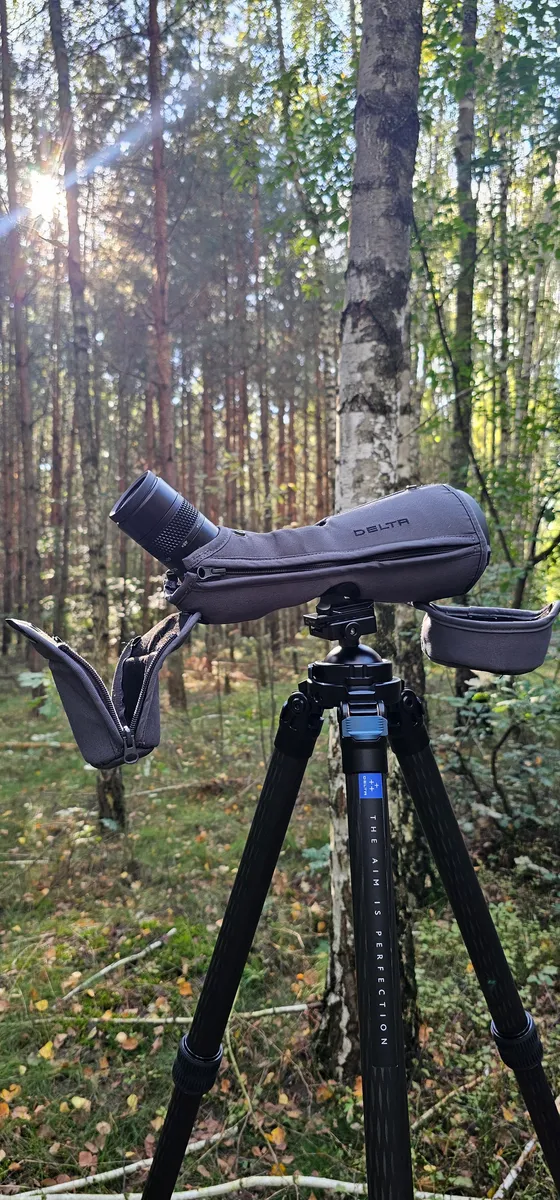
We love that moment when someone looks through the eyepiece and smiles as a distant silhouette suddenly gains colour, detail and personality. Good optics help us share this sense of wonder while still giving wildlife the peace and space it needs. We are grateful to both brands for their trust and for supporting our passion — thanks to them, we can show you the valley we love with even greater attention to the beauty of every encounter.
That is why a birdwatching tour in the Barycz Valley can also become the beginning of a completely new passion. The ability to truly observe develops naturally during the walk. We begin to recognise differences between silhouettes, find birds more easily and increasingly start noticing interesting things ourselves.
Wildlife photographers will find no shortage of subjects here, while beginners have an opportunity to discover nature at a peaceful pace. In both cases, there is enormous value in giving one place and one encounter the time they deserve.
A weekend close to nature in the spirit of slow travel
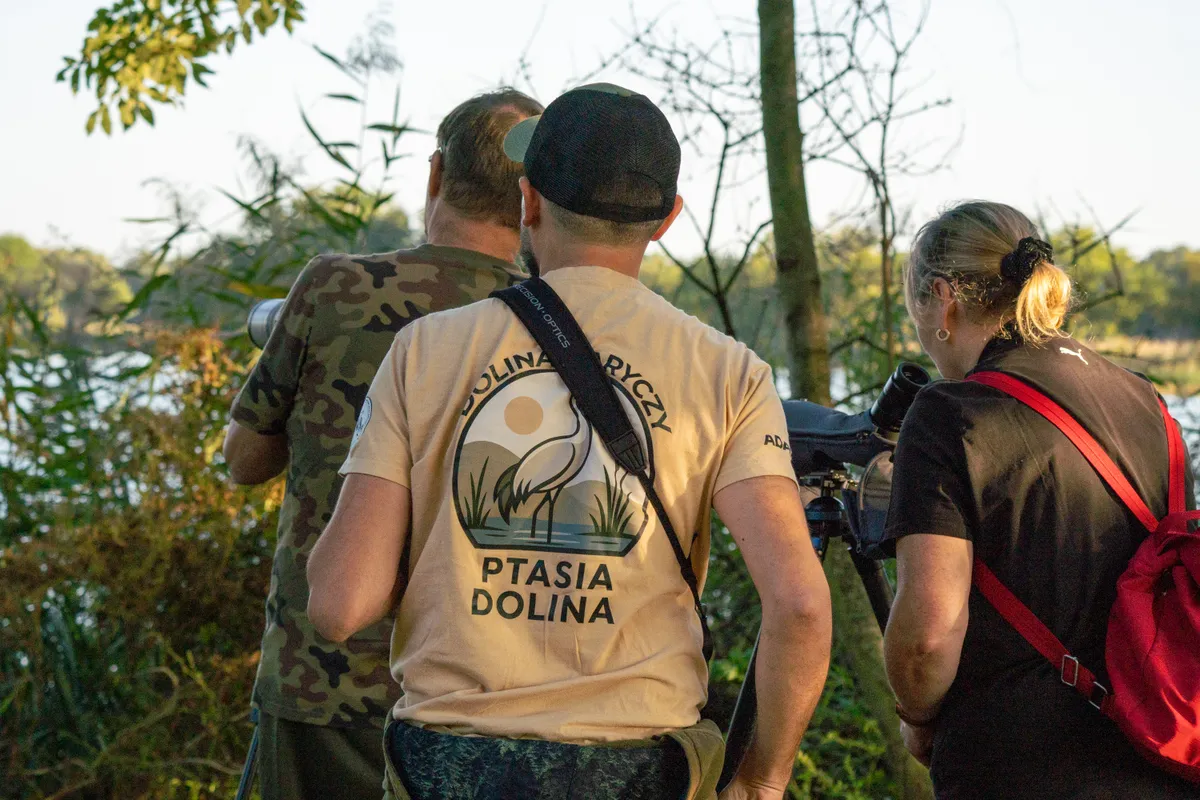
There is also something deeply personal about small-group outings. Everyone arrives with their own pace, plans and thoughts. After a while, however, your attention is increasingly drawn towards what is happening right beside you: an egret moving across the shallows, a sound coming from beyond the reeds, sunlight reflecting on the water.
This is what slow travel in the Barycz Valley means to us. We give ourselves time to truly experience the place we have come to visit. To discover its rhythm and notice the changes between evening and morning. The same pond viewed at different times of day can leave you with two completely different memories.
For a couple, such a trip can become a shared story that they return to long after coming home. For two friends, it can be an opportunity to spend time together in peaceful surroundings while sharing a passion. For someone travelling alone, it can become a time devoted entirely to photography, nature and their own curiosity.
We love the idea that everyone takes something different away from an outing like this. Someone may remember the red deer rut above everything else. Someone else the first rays of sunlight breaking through the mist. Another person may keep talking about the Eurasian Penduline Tit nest because that tiny detail surprised them more than anything else.
A nature weekend for two, an intimate wildlife photography outing or a peaceful guided walk all have one thing in common here: they give you the opportunity to pay attention to things that would otherwise be very easy to miss.
Nature close to Wrocław and an idea for a longer stay in Poland
Visitors to Wrocław can treat the Barycz Valley as the nature-focused part of their journey through Lower Silesia. The region stretches north of the city, with the areas around Milicz and Żmigród providing access to a landscape of ponds and forests. It is an excellent destination for anyone who would also like to make time for birdwatching in Poland and relaxing close to nature.
When planning your stay, it is worth considering which time of day interests you most. A daytime outing allows you to discover the dykes and ponds in very different light from a dawn excursion. An autumn evening, meanwhile, gives you the opportunity to focus on listening to the valley. Combining different times of day creates a much fuller experience of the place.
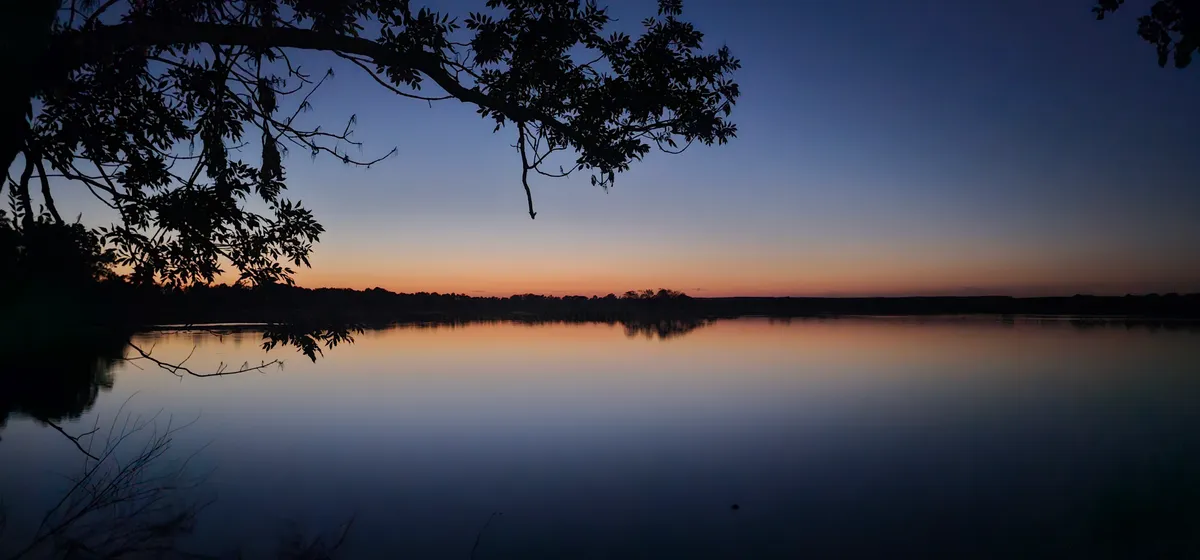
If you are interested in a morning outing, staying overnight in the region can make for a much more relaxed start to the day. We recommend discussing the exact meeting point, the length of the outing and travel times with us before booking. The Barycz Valley is vast, and the name of the region encompasses many different places.
For guests visiting from abroad, we suggest starting the conversation by telling us your travel dates, number of participants, interests and preferred language. This allows us to work out the practical possibilities and adapt the outing to your trip. A private nature tour in Poland makes the most sense when it reflects what you genuinely want to experience.
Why autumn is worth a visit
The September weekend described here brought together an exceptional variety of autumn experiences. There was the red deer rut, sunrise in the mist, large gatherings of herons and egrets, and birdwatching during migration. It is precisely this diversity that makes autumn in the Barycz Valley so appealing to nature lovers.
The seasons, however, continually change the character of the valley. Spring brings returning birds and the breeding season, while rewarding observations are possible outside the main migration periods as well. When choosing a date, it is therefore worth telling us what interests you most: landscape photography, discovering birds, a particular time of day or simply the overall experience of a peaceful outing in nature.
Every outing unfolds a little differently. The Lesser Spotted Eagle encounter and the chorus of rutting red deer described here belong to the story of this particular weekend. The next trip will bring its own observations, shaped by the season, weather and activity of the animals. That unpredictability is part of the joy of returning to the field.
How to prepare for a dawn walk and an evening outing
Being comfortable outdoors makes it much easier to focus on nature. For an autumn walk, it is worth wearing comfortable footwear suitable for wet ground and dressing in layers. During longer observations, we often stand still for quite some time, so the cold can feel very different from when you are walking. Protection from wind and rain is useful, and for early or late outings, a warm hat can make a real difference.
A flask of something warm is a very good companion. Photographers should remember spare camera batteries, enough free space on their memory cards and some protection for their equipment against moisture. Everything else is best adapted to the agreed plan rather than packing every item that could theoretically prove useful in the field.
Most important of all, however, is being willing to stop. Sometimes an interesting observation begins just as we are preparing to move on. In a small group, it is much easier to notice such a moment and allow ourselves another few minutes beside the water.
Being close to nature while giving wildlife space
At Ptasia Dolina, we care deeply about observing natural animal behaviour. We give wildlife space and use optics so that we can see more while remaining at a respectful distance. This approach also makes the observations themselves more rewarding: we can watch birds feeding, resting and going about their everyday lives.
Within the Milicz Ponds Nature Reserve, we follow the routes that are open to visitors. Protecting this place means safeguarding precisely those parts of the environment that animals need in order to live. The beauty of the landscape and the presence of its wild inhabitants are inseparably connected.
When we look at a Eurasian Penduline Tit nest, we admire its construction while leaving it exactly where it is. When we listen to red deer, we allow them to maintain their distance. This means that the memory of an encounter also comes with the feeling that we were respectful guests in their world.
Questions before your first outing with Ptasia Dolina
What is “Total Immersion” in the Barycz Valley?
It is an intimate outing for a maximum of two people, with a particular focus on photography and attentive discovery of nature. We adapt the plan to the participants' interests, the season and current conditions in the field. There is plenty of space for peaceful observation and for staying longer in a chosen location.
Do I need to know anything about birds?
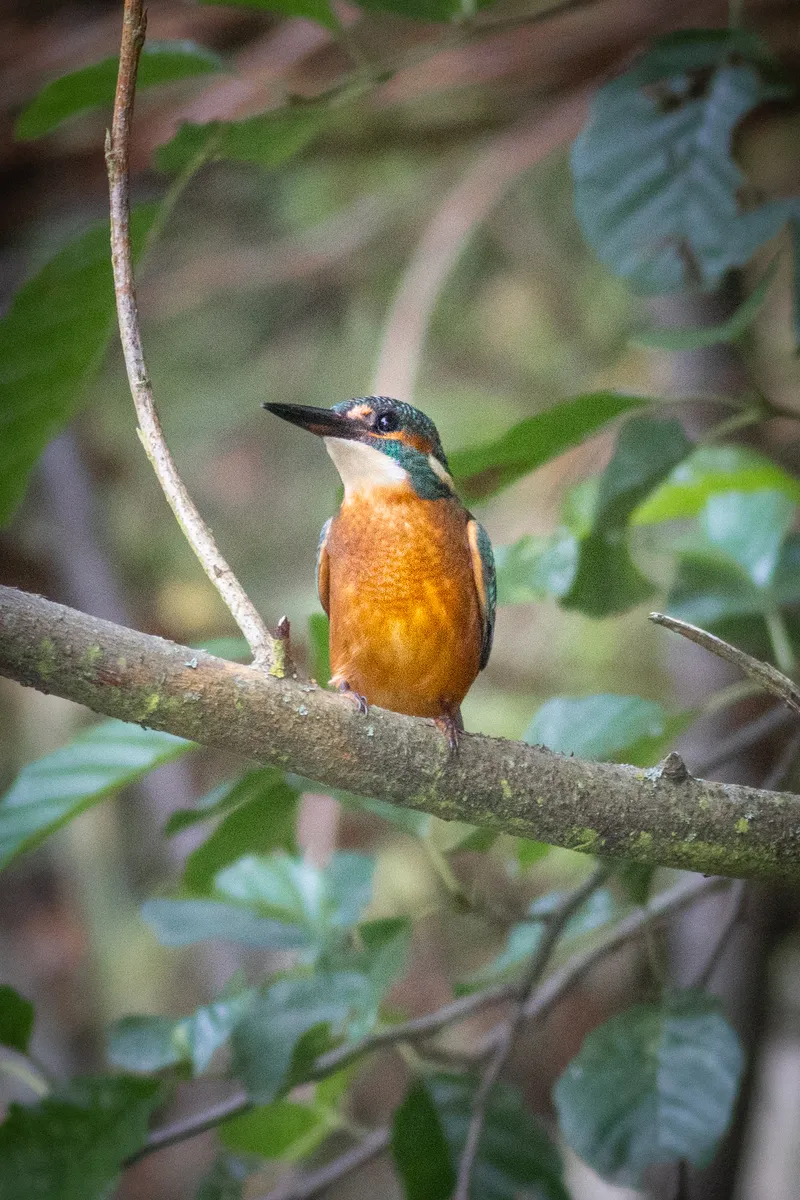
You can begin with nothing more than curiosity. During the walk, we help you notice differences between birds, observe their behaviour and talk about whatever is happening around us at the time. Knowledge grows naturally with each new observation.
Is it a good idea for a trip for two?
Yes, especially if you enjoy nature, a relaxed pace and discovering new places together. Two people can have very different interests — the intimate format allows us to give proper attention to each of them.
When is the best time to go birdwatching at the Milicz Ponds?
Nature can be explored throughout the year, while spring and autumn are particularly interesting for bird lovers. An autumn visit can combine migration watching with landscape photography. We choose the date according to what you would most like to see and experience.
Can an evening outing be combined with a dawn excursion?
That is exactly what we did during the weekend described here. If you dream of a similar experience, let us know while planning your visit. Together, we can work out a suitable schedule, available dates and all the practical details.
Will we see the same animals on every trip?
Every outing has its own story. The place and time of day help us plan where to look, but the presence of any particular species ultimately depends on wild nature. The weekend described here shows the richness of possible experiences, while every new outing adds new scenes to that story.
Do you also organise cycling tours through the Barycz Valley?
Yes! Together with Barycz Slow Rides, we organise cycling tours in several different formats, combining the pleasure of relaxed riding with discovering nature. We travel along forest tracks and gravel roads, stop beside the ponds and give ourselves time for the encounters that are well worth getting off the bike for. Zuza from Barycz Slow Rides leads the cycling part of the experience, while we share stories about the inhabitants of the valley, help participants spot birds and provide binoculars and spotting scopes.
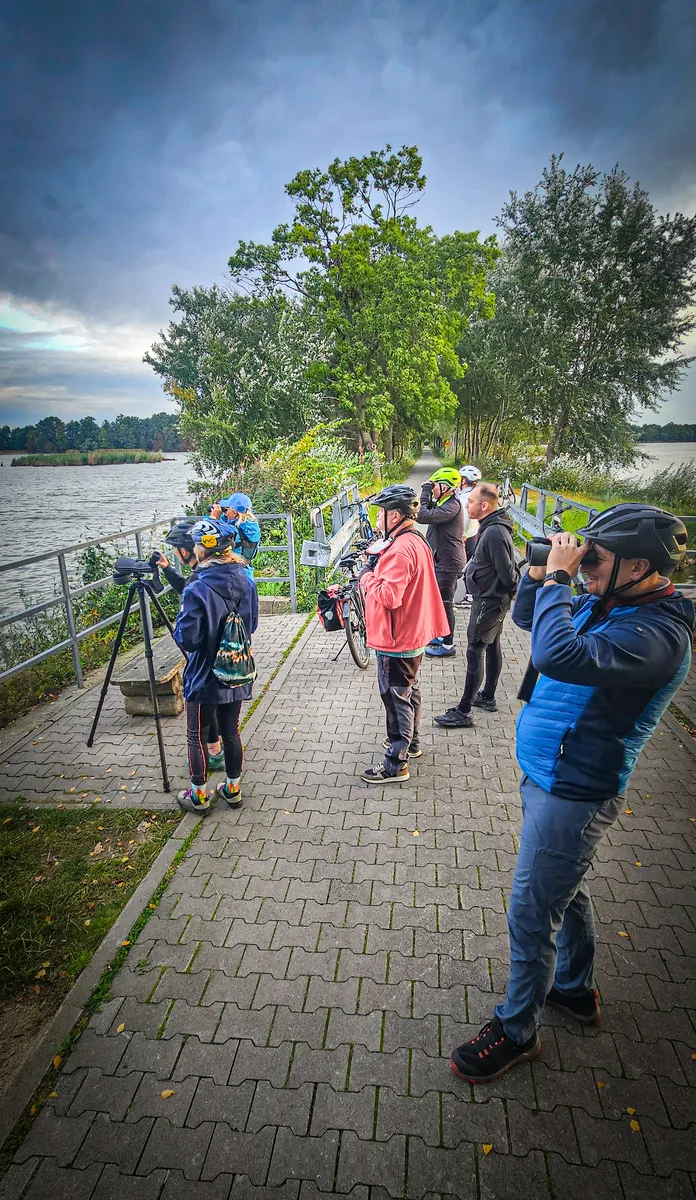
One of these experiences is “Autumn Migration by Bike” — a shared journey through a valley filled with migrating birds, with stops for observation and time to enjoy the beauty of the autumn landscape. It is a wonderful way to combine outdoor activity with attentive discovery of a place. If you dream of exploring the Barycz Valley by bike, write to us — we will tell you about the available options and help you choose the right experience for you.
What language do we use to share the beauty of the Barycz Valley on our walks?
At Ptasia Dolina, we want to share the beauty and unique natural character of the Barycz Valley beyond Poland's borders. That is why we are happy to guide visitors from other countries in fluent English.
How can I book a private nature experience in the Barycz Valley?
Take a look at our “Total Immersion” offer or contact us. Tell us when you are planning to visit, how many people will be joining and what interests you most. That is a perfect starting point for planning your experience together.
Come with us to see the valley at its most beautiful
One image from that weekend remains especially vivid in our memory: two guests to whom we could devote our full attention, and a valley revealing one face after another. Evening egrets. Antlers rising above the reeds and the calls of red deer. Sunday mist glowing in the sunlight. Birds on the shallows, a Common Buzzard on a branch, a Eurasian Penduline Tit nest and a Lesser Spotted Eagle in flight.
These encounters contain everything we love most about Ptasia Dolina. Our own fascination with nature becomes something we can share. We can pass on knowledge, point out a detail, help someone see more — and then simply stand together and watch a scene that none of us could ever have arranged as beautifully ourselves.
If you are looking for intimate nature walks in the Barycz Valley, a wildlife photography outing at the Milicz Ponds or an idea for an autumn weekend close to nature, we invite you to join us for “Total Immersion”. Tell us what kind of encounter with the valley you dream about. We will be delighted to help you plan the time to discover it.
Warm regards,
Agnieszka and Adam
Ptasia Dolina